
From Global Kitchens to Inner Wisdom — The Visionary Chef Transforming Food into a Journey of Meaning
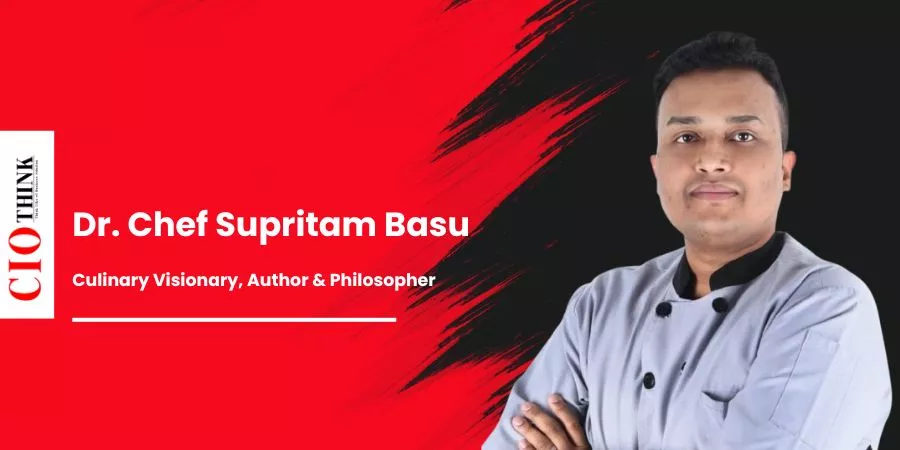
In today’s world, where chefs are often known for fancy presentations and trending dishes that disappear quickly, Dr. Supritam Basu is different. He reminds us that food is really about something deeper—it’s about memories, feelings, where we come from, and connecting with people. His work isn’t about chasing what’s new; it’s about making good things even better. His ideas don’t just copy what other chefs do around the world; they go deeper. And his life story, shaped by hard work, cultural roots, traveling around the world, and lots of thinking about life, shows him as not just a celebrated chef but as one of the most important food thinkers of today.
What sets Dr. Basu apart is his rare gift: he understands that a kitchen is not just a place where food happens. It’s a place where hearts are nourished, where memories are made, and where people feel seen and valued. Every plate he creates carries intention. Every meal he serves tells a story. And every person who eats his food leaves transformed—not just satisfied, but awakened to something deeper about themselves and the world around them.
Where It All Started: The Foundation of Everything
Dr. Basu was born on May 6, 1991, in Jodhpur, Rajasthan—a place of golden deserts, ancient forts, and warrior traditions. He grew up in an Indian Army family, where the values were simple but unshakeable: being honest, staying humble, understanding your emotions clearly, and leading by example rather than by words. His father didn’t talk much, but he showed through his actions what it means to be a true leader—someone who stays calm under pressure, makes difficult decisions with integrity, and treats every person with respect regardless of their rank or status. Watching his father, young Supritam learned that real power comes from stillness, not noise. Real leadership comes from listening, not talking.
His mother taught him something equally powerful through the language of the kitchen. She showed him that food is how you say “I love you” without needing words. It’s how you heal people who are hurting. It’s how you tell people who you are at your deepest level. Through her cooking, he understood that every meal is a conversation between the cook and the person eating it—a conversation about care, about belonging, about being valued.
But the most important lesson came from his grandmother in those quiet morning hours before the rest of the world woke up. Early in the morning, she would make luchi (fried bread with its perfect golden color and soft texture) and sabzi (vegetable curry made with spices that seemed to hold secrets). Watching her work with her weathered hands, he learned that cooking isn’t just about following a recipe or combining ingredients correctly. It’s about caring deeply. It’s about taking your time even when you’re busy. It’s about putting your whole heart into what you make. It’s about the silence and the focus and the intention you bring to every movement.
These childhood moments shaped his biggest belief, the belief that still guides every decision he makes: every kitchen is a sacred place where you say thank you for what you have, and every plate of food is a chance to share your feelings with another human being. This foundation—built on family, tradition, love, and respect—would become the cornerstone of everything he would create in his life.
A Chef Who Travels and Learns: Growing Through the World
As Dr. Basu’s career grew, he didn’t just move from one kitchen to another looking for better pay or a more prestigious name. He traveled like a student, like a seeker, always asking questions and always learning. He worked across India, in Dubai, Qatar, Oman, Singapore, South Africa, and South Korea. In each place, he discovered something important: food tells the real, honest story of the people who cook it and the culture that created it.
In Korea, he discovered precision and discipline. Korean cooking taught him that every cut matters, that timing is everything, that respect for ingredients is not just nice—it’s essential. He learned how a few simple ingredients, treated with care and attention, can create something beautiful and lasting. The Korean philosophy of mindfulness in cooking influenced him deeply.
In the Middle East—in Qatar and Oman—he discovered warmth and generosity. He learned how food is not just eaten; it’s shared. He saw how a table is where strangers become family, where business becomes friendship, where the most important conversations happen. Middle Eastern hospitality showed him that feeding people is an act of honor and respect.
Singapore taught him organization and efficiency. In those fast-paced kitchens, he learned how to handle chaos without losing quality, how to manage teams under pressure, how to create systems that allow creativity to happen even when everything is moving quickly. He learned the value of respect for time and for the people who depend on you.
In South Africa, he experienced joy and energy in every dish. African cooking showed him celebration—the way food brings happiness, the way cooking can be joyful even in difficult circumstances, the way flavor can express emotion that words sometimes cannot.
All of this deep learning and experience connected to an ancient Indian idea that had always called to him: Vasudhaiva Kutumbakam—which means the whole world is one family. For him, every new kitchen was like going to school, every country was a new chapter in understanding what it truly means to be human through food and cooking. He understood that beneath all the different techniques, ingredients, and traditions, there was one universal truth: people everywhere want to feel loved, valued, and connected. And food is the most powerful way to create that feeling.
How He Leads His Team: The Art of Real Leadership
In a normal kitchen, things can get crazy and stressful. There’s heat, there’s pressure, there are tight deadlines, angry customers, equipment that breaks down at the worst moments. Most kitchens respond to this chaos with more chaos—shouting, intimidation, blame, fear. But Dr. Basu leads differently.
He stays calm and focused even when things fall apart. He treats discipline not as punishment or control, but as the foundation that lets true creativity grow and flourish. He believes that when people know exactly what’s expected, when they understand the rules and the reasons behind them, they have the freedom to be creative within those boundaries. He doesn’t believe in scaring people or showing off his power through dominance. Instead, he teaches through kindness, through patience, and by making his team feel genuinely safe to try new things, to make mistakes, and to learn.
His teams understand something deep: the kitchen isn’t a place of conflict or competition. It’s a space where everyone works together with real purpose and genuine care for each other. Before every service starts, there’s a quiet moment. Everyone pauses. Everyone takes a breath together. This moment of silence is sacred—it’s a moment to focus, to connect with your intention, to remember why you’re here. This is what real leadership looks like for him: not yelling the loudest or being the most aggressive, but creating an atmosphere where people actually want to do their best work, where they feel valued as human beings, and where they know their effort matters.
A big influence in his life was Chef Ponraj Daniel, his mentor—someone who shaped not just his cooking but his entire philosophy of life. From him, Dr. Basu learned that true strength doesn’t come from dominating others. It comes from doing the right thing even when no one is watching. It comes from staying strong and steady through tough times. It comes from treating people with genuine respect and seeing their potential even when they can’t see it themselves.
Throughout his career, Dr. Basu has won awards and competitions across Asia and Africa. He has medals and recognition from the industry. But these victories taught him something deeper than pride—they taught him that winning is fleeting. The trophy sits on a shelf. The recognition fades. What lasts is the person you’ve become, the lessons you’ve learned, and the people whose lives you’ve touched. He came to understand that getting better at what you do never stops. Mastery is not a destination you reach and then relax. It’s a lifelong journey of learning, improving, and evolving. The real measure of a great chef isn’t about winning trophies or getting applause. It’s about always learning, always improving yourself, and always treating your craft and your people with respect and dedication.
His Books and Writing: Sharing Wisdom with the World
Dr. Basu is more than just someone who cooks. He is a deep thinker, a philosopher, and a writer. His books share both the practical wisdom he’s learned in kitchens around the world and deep thinking about life itself—about meaning, purpose, consciousness, and how we become who we’re meant to be.
Accidental Chef: A Life Beyond Kitchens
His book, Accidental Chef, is perhaps his most personal work. It tells the honest, vulnerable story of how he became a chef—a path that wasn’t planned or straight or obvious. Through stories of confusion, moments of luck, unexpected opportunities, and discovering who he really is beneath all his roles and titles, he shows readers the journey that shaped him. This book isn’t about bragging or showing off how successful he is. It’s about being real and authentic. It’s about showing readers that their own messy, confusing, unpredictable journey might actually be leading somewhere beautiful. Many people come to the profession of cooking by accident, by chance—and this book celebrates those happy accidents and what they can teach us about trust, surrender, and following where life leads us.
Forgotten Flavours of Bengal: A Love Letter to Culture
His book, Forgotten Flavours of Bengal, is a love letter to Bengal and its rich food traditions. Through stories, old recipes passed down through generations, personal memories, and deep reflection, he makes sure that the wisdom of grandmothers’ kitchens and regional traditions are not lost to time and progress. This book shows he’s not just a chef—he’s someone who preserves culture, who remembers what matters, who honors the people and the knowledge that came before him. In a world where everything moves fast and old ways are often forgotten, this book is an act of respect and preservation.
Does the Mind Shape Reality?: Philosophy Meets Cooking
His work, Does the Mind Shape Reality?, explores big philosophical questions that sit at the heart of everything he does. It asks: How much does our thinking affect what we create? How do our beliefs shape what we see in the world? What is the relationship between consciousness and reality? This isn’t separate from his cooking work—it’s central to it. When he creates a dish, it starts in his mind first, long before any ingredients touch heat. He asks himself: What feeling should this bring to the person eating it? What memory should it bring back? What story should this tell? What emotional truth am I trying to express? For him, cooking becomes like meditation—a moving meditation where your hands are the prayer. Flavor becomes a language we use to communicate things that words can’t say. And eating becomes a moment of real connection with another human being.
The Sacred Journey: From Culinary Heat to Holistic Leadership
The Sacred Journey is a powerful exploration of how the intensity and demands of culinary work can become a path to deeper wisdom and more conscious leadership. This book bridges his experience in the kitchen with his larger philosophy about how we lead our lives and how we lead other people. It explores the sacred nature of service—serving food, serving people, serving a purpose larger than yourself. It examines how the heat and pressure of a professional kitchen can teach us about ourselves if we approach it with awareness and intention. This book shows that the journey from being a great chef to being a great leader is not a separate path—they’re the same journey, understood at different levels.
Embracing Joy: A Journey to Inner Freedom
In Embracing Joy: A Journey to Inner Freedom, Dr. Basu explores what true happiness really means and how we can find it even in difficult circumstances. This book comes from his deep understanding that joy is not something that happens to you—it’s something you cultivate, something you choose, something you build through awareness and intention. Through personal stories, practical wisdom, and philosophical reflection, he shows readers how to move beyond the surface level of happiness and find genuine, lasting joy that comes from living with purpose and authenticity.
The F@@cking Mind: How to Kill Your Excuses, Embrace Chaos, and Become Dangerous
This book is his most direct, most powerful call to action. With a title designed to wake people up, it’s about getting real, getting honest, and getting serious about your own life. It’s about recognizing the excuses we make for ourselves—the stories we tell ourselves about why we can’t change, why we can’t achieve, why we can’t be who we want to be. It’s about embracing chaos not as something to fear but as the raw material of creation. It’s about becoming “dangerous” in the best sense—becoming so committed to your growth and your purpose that nothing can stop you, no obstacle can discourage you, and no voice of doubt can derail you. This book reflects Dr. Basu’s no-nonsense approach to personal transformation and his belief that every person has the power to radically change their life if they’re willing to do the work.
Each of these books reveals different facets of Dr. Basu’s mind and heart. Together, they show a man who is not content to just cook good food. He wants to understand why food matters so deeply to us. He wants to explore consciousness and how our minds shape reality. He wants to help people wake up to their own potential and live with more purpose, joy, and authenticity.
What He Believes About Food and the Future
Dr. Basu has a clear vision for the future of cooking and for the role chefs should play in the world. He believes that trying new things and being innovative shouldn’t mean forgetting where we come from or abandoning the traditions that have sustained us. He thinks that sustainability and spirituality should go together—that caring for the planet and caring for the soul are not separate things but part of the same work. And he knows from his own experience that understanding people emotionally is just as important as knowing how to cook technically. You can make the most technically perfect dish in the world, but if it doesn’t touch someone’s heart, it’s just food.
He believes that chefs need to become complete leaders—people who understand culture as well as they understand cooking techniques. People who think about mindfulness and awareness as much as they think about skill and speed. People who protect the stories that food carries and make sure those stories aren’t lost.
Through SupritamOne, his movement dedicated to culinary excellence, spiritual wisdom, conscious leadership, and holistic human growth, he’s creating real pathways for young chefs to explore not only their craft but also their character, their purpose, and their potential. He teaches them that success isn’t about being fast or flashy or getting the most attention on social media. It’s about being steady and reliable. It’s about being kind to your team. It’s about having a real purpose that goes beyond money or fame. It’s about understanding that you’re part of something larger than yourself.
His Core Belief: The Philosophy That Guides Everything
In his own words, Dr. Supritam Basu sums up his entire philosophy simply and powerfully: “To serve with truth, create with depth, and inspire with quiet grace.”
This one sentence says everything about who he is and how he moves through the world. He serves food, but he does it with complete honesty and integrity—no shortcuts, no pretense, no compromise on what he believes is right. He creates dishes, menus, and experiences, but he thinks deeply about them, bringing intention and consciousness to everything. And the way he leads and inspires people is quiet—not loud, not about getting attention, not about self-promotion, but genuine and real and from the heart. His impact is not measured in noise but in the quiet transformation he creates in every person he touches.
What Makes Him Special: A Complete Human Being
Dr. Basu’s story is more than just a career in cooking. It’s about how food connects us—to the people we came from, to our own hearts and innermost selves, and to every person around us. From the memories of his childhood in Jodhpur watching his grandmother cook, to kitchens around the world exploring different cultures, from winning competitions to sitting down and writing thoughtfully about philosophy and life, his journey shows us something true and important: food isn’t just eaten. It’s felt. It’s experienced. It’s remembered.
He reminds us that a chef’s job isn’t just to create new dishes or keep up with trends. It’s to remember—to honor where food comes from, to respect the people and traditions that created it, to recognize that every meal is an opportunity to say something important. It’s to say “this matters” and “you matter” and “your presence at this table is important to me.” His greatest gift is turning the heat and stress and chaos of the kitchen into something peaceful and purposeful inside—into a meditation, into a prayer, into an act of love. He proves that the best dishes, the ones that people remember for years, are the ones made with awareness, real intention, and a full, open heart.
Dr. Supritam Basu shows us that being a great chef is not separate from being a great leader, a great thinker, a great author, and a great human being. It’s all one thing. It’s all part of the same journey of waking up, growing up, and showing up fully in your life.
Key Quotes from Dr. Supritam Basu
“Food is feeling before technique; it holds our memories, our softness, and where we belong.”
“A great chef’s real skill isn’t about winning medals—it’s about being aware, staying humble, and being fully present.”
“When food respects where it comes from, it becomes more than just taste—it becomes a piece of our culture and history.”
“Rules and structure let creativity grow; the best art comes when you have clear boundaries.”
“Every dish tells a story—not about what’s in it, but about who made it, why they made it, and what their heart was saying.”
“Cooking is meditation with your hands moving; it’s a quiet gift of honesty, care, and awareness.”
“To serve with truth, create with depth, and inspire with quiet grace.”
“Real leadership is not about being the loudest voice in the room—it’s about creating space where everyone’s voice matters.”
“Joy is not something that happens to you—it’s something you cultivate through awareness, intention, and honest living.”
The Bottom Line: Why Dr. Supritam Basu Matters Now
Dr. Supritam Basu stands out as one of the most important culinary leaders reshaping what food means in 2025 and beyond. He’s an artist who works with flavor and culture. He’s a keeper of memory and cultural wisdom. He’s a philosopher of the modern kitchen who understands that food is never just about food—it’s always about meaning, connection, and transformation.
He shows us that the best, most meaningful food comes from combining tradition with conscious creativity. He demonstrates that wisdom and world flavors go together beautifully. He proves that mindful leadership and culinary excellence are not separate but part of the same commitment to excellence and consciousness.
Through his cooking, his books, his leadership, and his life, Dr. Basu honors our heritage while elevating the craft to new heights. He inspires the next generation of chefs to think deeply, feel deeply, and cook with real purpose—not for fame or fortune, but for the sacred work of nourishing human beings and touching their hearts.
In a world that often moves too fast, that values quantity over quality, that celebrates noise over depth, Dr. Supritam Basu reminds us that the most powerful things in life are often the simplest: a meal made with love, leadership offered with kindness, wisdom shared through stories, and the quiet grace of a life lived with intention and heart.