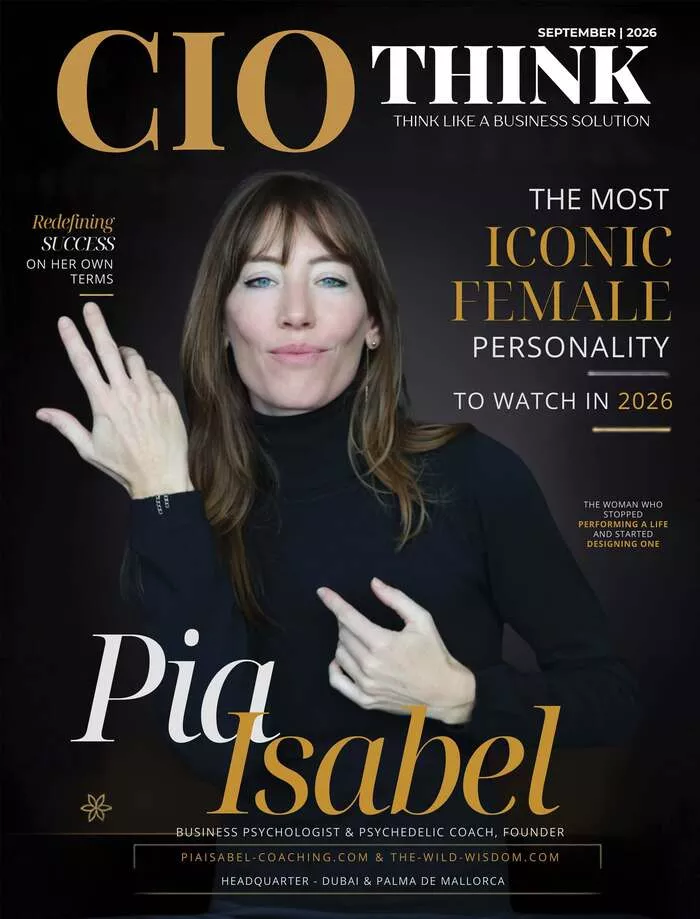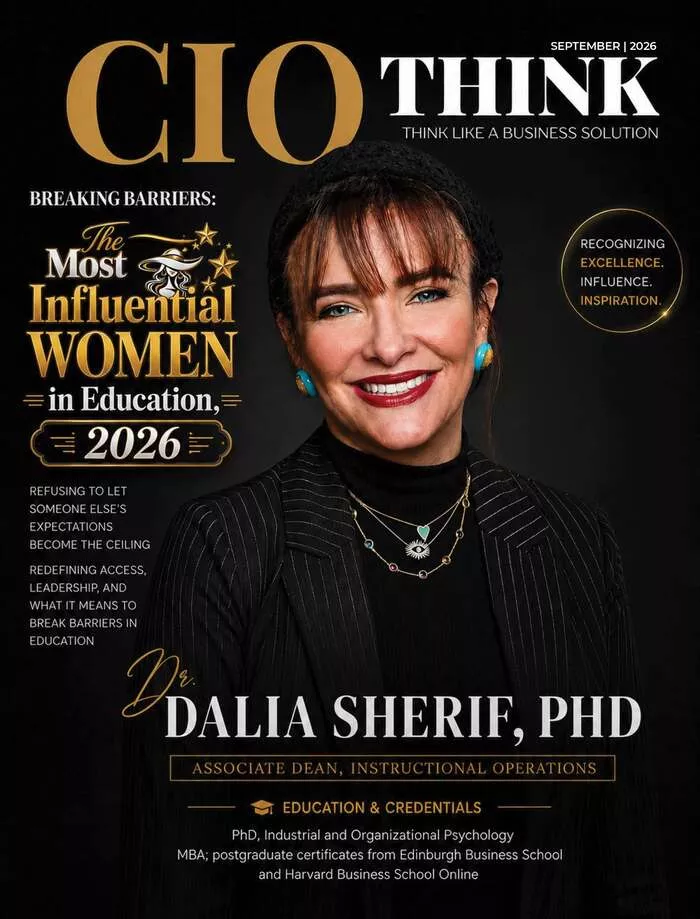


The world of creative arts has long been shaped by visionary women who have challenged conventions, inspired change, and enriched cultures through their talent and imagination. Today, Women in Creative Arts are making remarkable contributions across fields such as visual arts, music, literature, filmmaking, theater, dance, fashion, and digital media. Their creativity extends beyond artistic expression, influencing social conversations, preserving cultural heritage, and driving innovation in the global creative economy. As more women embrace leadership roles in artistic industries, they continue to inspire future generations to pursue their passions with confidence and authenticity.
Women in Creative Arts: Transforming Imagination into Lasting Impact
Creativity has the power to inspire emotions, challenge perspectives, and shape societies. Throughout history, women have used art as a medium to tell stories, preserve traditions, and advocate for meaningful change. Today, Women in Creative Arts are redefining the boundaries of artistic expression while making significant contributions to culture, education, entertainment, and innovation.
From award-winning filmmakers and bestselling authors to influential designers and digital artists, women are demonstrating that creativity is not limited by gender but strengthened by diverse perspectives and experiences. Their work continues to influence audiences around the world, proving that art remains one of the most powerful forms of communication.
Breaking Barriers Across Creative Industries
Although women have always contributed to the arts, they often faced limited opportunities, unequal recognition, and societal expectations that restricted their creative ambitions. Over the years, determined female artists have challenged these barriers by pursuing excellence and demanding equal representation across creative fields.
Today, women are leading successful careers in painting, sculpture, photography, architecture, graphic design, music production, animation, filmmaking, and performing arts. Their growing presence in leadership positions has helped create more inclusive artistic communities while encouraging organizations to recognize diverse voices and perspectives.
This progress has opened new doors for aspiring artists, allowing future generations to build careers based on talent, innovation, and originality.
Creativity as a Tool for Social Change
Art has always reflected the values and challenges of society. For many women, creativity serves not only as a profession but also as a platform for advocacy and transformation.
Through literature, film, theater, visual arts, and music, Women in Creative Arts address topics such as equality, mental health, environmental sustainability, education, cultural identity, and human rights. Their work encourages audiences to think critically while fostering empathy and understanding across different communities.
By sharing authentic stories and diverse experiences, female artists contribute to meaningful conversations that inspire positive social change.
The Rise of Digital Creativity
Technology has revolutionized the creative industry, enabling artists to reach global audiences without traditional barriers. Social media platforms, digital galleries, online publishing, streaming services, and virtual exhibitions have transformed how art is created, shared, and appreciated.
Women have embraced these opportunities by building successful careers as digital illustrators, content creators, photographers, filmmakers, designers, and multimedia artists. They are leveraging technology to experiment with new artistic techniques while connecting with audiences across cultures and continents.
The digital era has also encouraged greater collaboration between artists, allowing women to expand their creative influence through international partnerships and online communities.
Leadership in Creative Arts
Leadership within the creative industry extends beyond producing exceptional work. It involves mentoring emerging talent, fostering innovation, and building inclusive environments where creativity can flourish.
Many successful women now lead production companies, fashion houses, publishing firms, art institutions, museums, design agencies, and entertainment organizations. Their leadership demonstrates that artistic excellence can coexist with strategic vision, entrepreneurship, and community development.
These leaders inspire others by showing that creativity can drive both cultural impact and economic growth.
Education and Mentorship
Education plays a vital role in nurturing artistic talent. Many accomplished women actively mentor aspiring artists by sharing their knowledge, experiences, and creative processes.
Through workshops, academic programs, artist residencies, and community initiatives, they help young creatives develop technical skills, build confidence, and explore their unique artistic identities.
Mentorship also encourages collaboration rather than competition, creating supportive networks that strengthen the broader creative ecosystem.
Entrepreneurship in the Creative Economy
The creative industry has become a major contributor to the global economy, offering opportunities for artists to build sustainable businesses around their talents.
Many Women in Creative Arts have successfully transformed their passion into thriving enterprises by launching fashion brands, design studios, publishing companies, production houses, photography businesses, and digital creative agencies.
Their entrepreneurial success demonstrates that creativity can generate economic value while maintaining artistic authenticity. By embracing innovation and business strategy, female creatives are expanding opportunities for themselves and future generations.
Challenges and Opportunities
Despite significant progress, women in creative fields continue to face challenges, including unequal funding, limited representation in leadership positions, and disparities in recognition and compensation.
However, increasing awareness of diversity and inclusion is creating positive momentum. More organizations, institutions, and audiences are supporting female artists through grants, exhibitions, awards, mentorship programs, and collaborative initiatives.
These developments provide greater opportunities for women to showcase their work, expand their careers, and influence the future of creative industries.
The Future of Women in Creative Arts
The future of creative arts is becoming increasingly collaborative, diverse, and technology-driven. Artificial intelligence, virtual reality, immersive experiences, and digital storytelling are opening exciting possibilities for artistic innovation.
Women are well-positioned to lead this transformation by combining traditional craftsmanship with emerging technologies. Their ability to adapt, innovate, and connect emotionally with audiences will continue to shape the evolution of creative expression across multiple disciplines.
As younger generations gain greater access to education, digital tools, and global platforms, the influence of women in creative arts is expected to grow even stronger.
Conclusion
Women in Creative Arts continue to redefine artistic excellence through innovation, resilience, and visionary leadership. Their contributions enrich cultures, inspire communities, and demonstrate the transformative power of creativity in addressing social, cultural, and economic challenges.
By embracing new technologies, mentoring future talent, and breaking traditional barriers, women are shaping a more inclusive and dynamic creative landscape. Their stories remind us that art is more than a form of expression—it is a catalyst for connection, understanding, and progress.
As the creative world continues to evolve, the achievements of women across every artistic discipline will remain a powerful source of inspiration, proving that imagination, determination, and authenticity can leave a lasting legacy for generations to come.
Also Read: Women in Visual Media: Shaping Stories, Inspiring Change, and Redefining Creative Industries