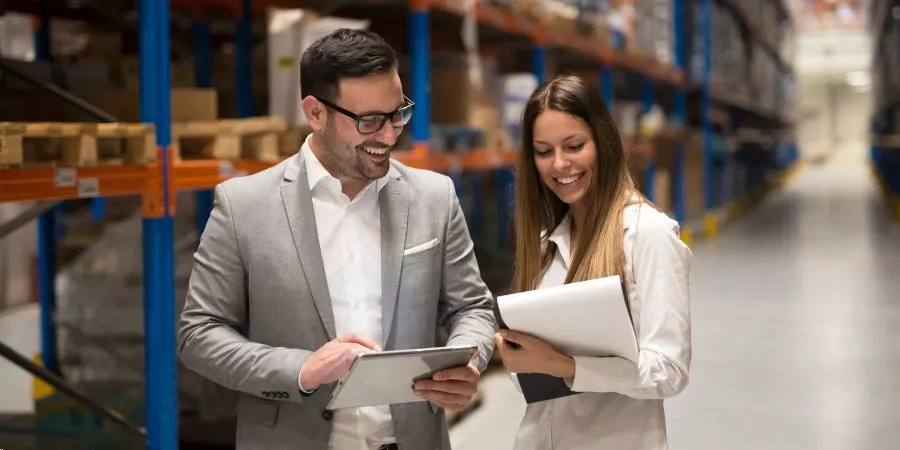


The logistics industry plays a vital role in connecting businesses, consumers, and economies. From transporting raw materials to delivering finished products, efficient logistics keeps global trade moving. As supply chains become more complex and customer expectations continue to rise, the industry needs fresh ideas, innovative business models, and capable leadership. This changing environment is creating exciting opportunities for women entrepreneurs.
Women entrepreneurship in logistics is the development and ownership of businesses by women across transportation, warehousing, freight forwarding, supply chain management, delivery services, and logistics technology. Women are increasingly exploring these areas, establishing companies, introducing digital solutions, and building services that help businesses move products more efficiently.
However, entering this traditionally male-dominated industry is not always easy. Limited access to finance, infrastructure challenges, professional networks, and gender-based assumptions can make business growth difficult. Despite these obstacles, women entrepreneurs are demonstrating that determination, strategic thinking, and innovation can create successful opportunities in logistics.
The future of the industry will depend on businesses that can adapt to technological change, improve operational efficiency, and understand evolving customer needs. Women-led logistics businesses have an important opportunity to contribute to this transformation.
Why Women Entrepreneurship in Logistics Is Becoming Important
Logistics is no longer limited to trucks, warehouses, and transportation routes. It has developed into a technology-driven business ecosystem involving real-time tracking, inventory management, international trade, data analytics, automation, and customer experience. These changes have created opportunities for entrepreneurs who can identify operational problems and develop practical solutions.
Women entering the sector can build businesses around specific market requirements rather than competing only with established transportation companies. For example, an entrepreneur might establish a specialized delivery service for small online retailers, develop a logistics platform for local manufacturers, or provide inventory management services to growing businesses. Such focused business models can create a strong market position without requiring an immediate investment in a large transportation fleet.
Growing Opportunities in Global Supply Chains
The expansion of e-commerce, international trade, and regional manufacturing has increased demand for reliable logistics services. Businesses need dependable partners who can manage storage, transportation, packaging, customs documentation, and last-mile delivery.
This demand creates opportunities for women entrepreneurs to serve both established companies and emerging businesses. In particular, smaller enterprises often need flexible logistics partners who understand their budgets, delivery requirements, and operational challenges.
Creating Economic and Employment Opportunities
Women-owned logistics businesses can contribute to employment by hiring drivers, warehouse personnel, operations coordinators, customer support professionals, and technology specialists. As these businesses grow, they can also support local suppliers and create opportunities for other small enterprises.
Furthermore, successful women entrepreneurs can encourage more women to consider careers and business ownership in transportation and supply chain management. Their visibility helps challenge traditional assumptions about who can lead and succeed in this industry.
Business Opportunities for Women Entrepreneurship in Logistics
One of the strongest advantages of the logistics sector is its diversity. Entrepreneurs do not need to begin with a large fleet or an extensive warehouse network. They can select a business model that matches their experience, financial resources, and local market demand.
- Freight Forwarding and Transportation Management
Freight forwarding involves organizing the movement of goods from one location to another through road, rail, air, or sea transportation. Freight forwarders coordinate shipments, documentation, carriers, customs procedures, and delivery schedules.
Women entrepreneurs can establish specialized freight-forwarding businesses serving manufacturers, exporters, importers, and small retailers. Building relationships with dependable carriers and understanding trade regulations are essential for establishing credibility and maintaining service quality.
- E-Commerce and Last-Mile Delivery
Online shopping has increased the importance of last-mile delivery, which refers to the final stage of transporting a product from a distribution center or local facility to the customer. Delivery speed, communication, tracking, and reliability directly influence customer satisfaction.
Women entrepreneurs can explore local delivery networks, same-day delivery services, reverse logistics, and specialized fulfillment solutions. Partnerships with online sellers and local retailers can help new businesses build an initial customer base.
- Warehousing and Inventory Management
Warehousing provides another promising opportunity. Businesses need secure storage facilities, accurate inventory records, organized order processing, and efficient dispatch operations.
Women-led companies can provide shared warehousing, inventory management, packaging, and fulfillment services for small and medium-sized enterprises. Instead of investing immediately in large facilities, entrepreneurs can begin with a focused operation and expand as demand increases.
- Logistics Technology and Digital Solutions
Technology is changing how logistics companies manage daily operations. Entrepreneurs with technology and business expertise can develop software and services that address challenges such as shipment tracking, route optimization, fleet management, and inventory visibility.
For instance, a digital platform that helps small businesses compare transportation providers could simplify logistics decisions. Similarly, automated shipment notifications can reduce customer inquiries and improve communication.
Challenges Facing Women Entrepreneurship in Logistics
Although opportunities are expanding, women entrepreneurs still encounter practical and structural challenges when establishing logistics businesses. Recognizing these barriers is important because long-term success requires both individual preparation and broader industry support.
Limited Access to Funding and Business Networks
Starting a logistics business can require significant capital for vehicles, equipment, warehouse space, insurance, technology, and working capital. Women entrepreneurs may face difficulties accessing loans, investment, or established business networks, particularly when entering unfamiliar or traditionally male-dominated markets.
Building strong financial records, preparing realistic business plans, and developing relationships with lenders and industry associations can improve access to opportunities. Mentorship and entrepreneurship programs can also help women understand funding options and negotiate commercial partnerships.
Industry Stereotypes and Leadership Barriers
Transportation and logistics have historically had lower female representation in several operational and leadership roles. As a result, women business owners may sometimes encounter assumptions about their technical knowledge, management abilities, or capacity to handle large-scale operations.
Professional credibility can be strengthened through industry certifications, operational experience, transparent service standards, and reliable business performance. At the same time, companies and industry associations must create fair opportunities for women to participate in decision-making and leadership.
Infrastructure and Operational Challenges
Logistics businesses depend on roads, transport networks, reliable technology, storage facilities, and effective regulatory systems. Delays, fuel price changes, equipment maintenance, and unexpected supply chain disruptions can affect profitability.
Women entrepreneurs must therefore develop realistic operating budgets, establish dependable supplier relationships, and prepare contingency plans. Strong operational management is just as important as identifying a promising market opportunity.
How Technology Is Creating New Opportunities for Women Entrepreneurs
Technology is becoming a major competitive advantage in logistics. Digital platforms, artificial intelligence, cloud-based systems, and automated processes allow smaller businesses to manage operations that once required extensive resources. Women entrepreneurs who understand these technologies can build scalable businesses and compete in specialized markets.
Artificial Intelligence and Smart Logistics
AI-powered tools can support delivery planning, demand forecasting, inventory monitoring, and route optimization. These systems help businesses make better operational decisions by analyzing information and identifying patterns that may be difficult to recognize manually.
For example, a woman-owned delivery company could use route optimization software to reduce unnecessary travel, monitor fuel consumption, and improve delivery schedules. AI-assisted demand forecasting can also help warehouse operators prepare for seasonal changes and avoid unnecessary inventory costs.
E-Commerce Platforms and Digital Connectivity
Online marketplaces and digital commerce platforms have created opportunities for specialized logistics providers. Women entrepreneurs can partner with online retailers, manufacturers, and small businesses that need dependable storage, packaging, and delivery services.
Digital connectivity also makes it easier to coordinate suppliers, customers, and transportation partners across different locations. With suitable technology, even a relatively small logistics business can serve customers beyond its immediate geographical market.
Sustainable and Green Logistics
Environmental responsibility is becoming an important consideration in transportation and supply chain management. Businesses are exploring electric delivery vehicles, efficient packaging, better route planning, and improved warehouse energy management.
Women entrepreneurs can develop businesses around sustainable delivery solutions, reusable packaging, reverse logistics, and environmentally responsible transportation partnerships. These services can appeal to companies seeking to reduce their environmental impact while improving operational efficiency.
Strategies to Build a Successful Women-Owned Logistics Business
Entering logistics requires more than identifying a business opportunity. Entrepreneurs need a clear market strategy, financial planning, reliable partnerships, and the ability to manage operational risks.
The following steps can provide a practical starting point for women considering business ownership in this sector.
- Research the market: Identify local transportation gaps, underserved customer groups, competitor services, and pricing expectations.
- Choose a focused business model: Start with one service, such as freight coordination, local delivery, warehousing, or inventory management.
- Prepare a realistic financial plan: Calculate startup expenses, insurance, staffing, technology costs, maintenance, and working capital.
- Build industry relationships: Connect with suppliers, manufacturers, transport operators, trade associations, and potential customers.
- Invest in technology: Select appropriate tools for shipment tracking, accounting, inventory management, and customer communication.
- Understand legal requirements: Check business registration, transport permits, taxation, insurance, customs procedures, and other applicable regulations.
- Monitor business performance: Track delivery reliability, operating costs, customer retention, cash flow, and profitability.
Starting with a specialized service can help reduce unnecessary investment and make it easier to understand customer expectations. Once the business develops a reliable customer base, entrepreneurs can expand into additional locations or services.
The Future of Women Entrepreneurship in Logistics
The future of women entrepreneurship in logistics will be influenced by automation, digital commerce, sustainable transportation, and changing global supply chain requirements. As companies seek more flexible and efficient operations, specialized service providers will have opportunities to develop solutions for emerging market needs.
There is also a clear need to improve women’s representation across the industry. A 2025 World Bank transport-sector resource estimates that women account for approximately 12% of the global transportation and storage workforce. Representation varies considerably across subsectors, from around 5% in land transport to 38% in aviation. These figures concern workforce participation, not business ownership, but they demonstrate the broader representation challenge facing the industry.
She Drives Change+1
The Indian Logistics Industry and Women’s Opportunities
India offers an important example of the opportunities and challenges in this sector. The Department for Promotion of Industry and Internal Trade (DPIIT), working with GIZ, released a study in March 2025 examining women’s participation in India’s logistics industry. The initiative highlighted the importance of addressing barriers and improving gender inclusion as the industry develops.
Press Information Bureau+1
Government startup-support data also provides an indication of the opportunity for women-led businesses. According to India’s Press Information Bureau, selected Alternative Investment Funds supported under the Fund of Funds for Startups reported investments in two women-led logistics and transport startups totaling ₹17.25 crore as of October 31, 2025. This is a specific programme dataset, not a measure of all women-led logistics businesses in India, but it illustrates that investment opportunities are reaching the sector.
Press Information Bureau
Going forward, better access to finance, industry mentorship, digital infrastructure, and professional training can help more women establish and expand logistics enterprises. Collaboration between government bodies, investors, educational institutions, and private companies will be important in turning these opportunities into sustainable businesses.
Frequently Asked Questions About Women Entrepreneurship in Logistics
- What is women entrepreneurship in logistics?
Women entrepreneurship in logistics refers to women establishing, owning, and managing businesses involved in transportation, freight forwarding, warehousing, supply chain management, delivery services, and logistics technology.
- What logistics businesses can women entrepreneurs start?
Women can establish businesses in several areas, including:
- Freight forwarding and transportation management.
- E-commerce and last-mile delivery.
- Warehousing and inventory management.
- Packaging and fulfillment services.
- Supply chain consulting.
- Logistics software and digital platforms.
- Sustainable transportation and reverse logistics.
The right opportunity depends on market demand, investment capacity, experience, and local regulations.
- Why is logistics a promising industry for women entrepreneurs?
Logistics supports e-commerce, manufacturing, retail, international trade, and other essential industries. Increasing demand for efficient transportation, digital tracking, and specialized supply chain services creates opportunities for new businesses.
- What challenges do women face in the logistics industry?
Common challenges include limited access to funding, gender stereotypes, insufficient professional networks, infrastructure limitations, and difficulties accessing technical training. These challenges can affect both business establishment and long-term growth.
- How can technology help women-owned logistics businesses?
Technology can improve route planning, shipment visibility, inventory management, customer communication, and operational efficiency. AI, automation, and cloud-based software can also help smaller companies manage resources more effectively.
- How can women get funding for a logistics startup?
Women entrepreneurs can explore bank loans, startup investment, government-supported schemes, business incubators, grants where available, and private investors. A clear business plan, financial projections, market research, and realistic growth strategy can strengthen funding applications.
- What is the future of women entrepreneurship in logistics?
The outlook includes opportunities in digital freight management, sustainable delivery, e-commerce fulfillment, warehouse automation, and supply chain technology. Better access to capital, mentorship, infrastructure, and leadership opportunities will help women participate more fully in this growth.
Conclusion
Women entrepreneurship in logistics is creating new possibilities in an industry that is essential to global business and economic development. From freight forwarding and warehousing to digital delivery platforms and sustainable transportation, women entrepreneurs can build businesses that address real operational challenges and serve growing customer needs.
However, achieving long-term success requires more than ambition. Access to finance, industry knowledge, technology, professional networks, and reliable infrastructure will play an important role in helping women-led companies compete and expand.
The logistics industry also has a responsibility to create a more inclusive business environment. Investors, policymakers, established companies, and industry associations can support this progress through better funding opportunities, mentorship, training, and fair access to commercial partnerships.
The future of logistics should be shaped by talent, innovation, and business vision—not outdated gender expectations. As more women enter the sector as founders and decision-makers, they can contribute to stronger supply chains, new employment opportunities, and a more competitive global economy.