
Trump Imposes 100% Tariff on Pharmaceutical Imports
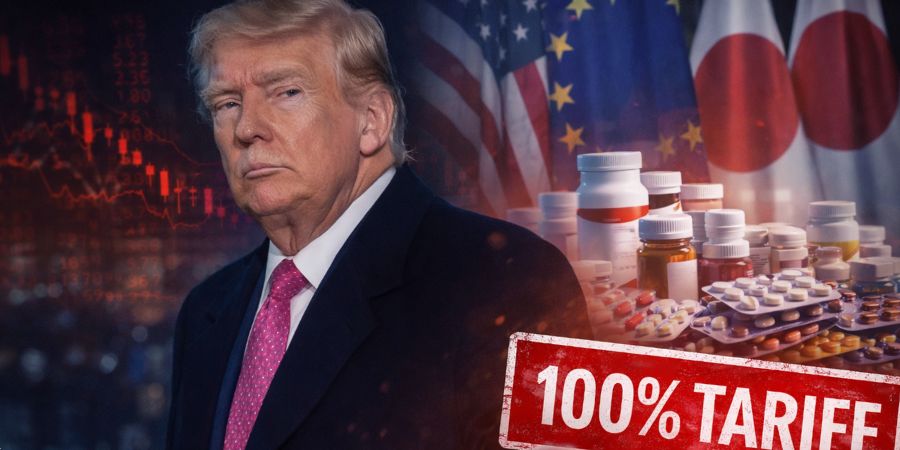
Donald Trump signed an executive order introducing a 100% tariff on select patented pharmaceutical imports into the United States. The decision is aimed at pushing global drug manufacturers to relocate production facilities within the U.S., citing national security and supply chain resilience as key priorities.
The move marks one of the most aggressive trade actions in the pharmaceutical sector in recent years and has already triggered strong reactions from global markets and policymakers.
Why the Decision Is Making Headlines
The executive order is trending globally due to its immediate and far-reaching implications. By doubling the cost of certain imported medicines, the policy is expected to disrupt international drug supply chains and significantly impact pricing structures.
Countries like the European Union member states and Japan, which are major exporters of patented drugs to the U.S., have expressed concern over the sudden policy shift. Trade analysts warn that retaliatory measures or disputes could emerge in the coming weeks.
National Security vs. Global Trade Tensions
The Trump administration has justified the tariff under national security grounds, arguing that reliance on foreign pharmaceutical production poses a strategic risk. The COVID-19 pandemic had previously exposed vulnerabilities in global supply chains, strengthening calls for domestic manufacturing.
However, critics argue that such a steep tariff could lead to higher drug prices for American consumers in the short term. Pharmaceutical companies may also face operational challenges in rapidly shifting production to the U.S., potentially leading to supply shortages.
Impact on Global Pharmaceutical Industry
The 100% tariff is expected to reshape the pharmaceutical landscape. Multinational companies may be forced to reconsider their manufacturing strategies, potentially accelerating investments in U.S.-based facilities.
At the same time, healthcare systems worldwide are watching closely, as price fluctuations in the U.S. market often have ripple effects globally. Emerging economies could face indirect consequences if production costs rise or supply chains are restructured.
What Comes Next?
As the policy takes effect, industry leaders, governments, and trade organizations are likely to engage in negotiations to address the growing tensions. Legal challenges and diplomatic discussions could shape how long the tariff remains in place.
In the coming months, the global response to Donald Trump’s pharmaceutical tariff order will determine whether this move becomes a long-term shift in trade policy or a catalyst for broader economic conflict.