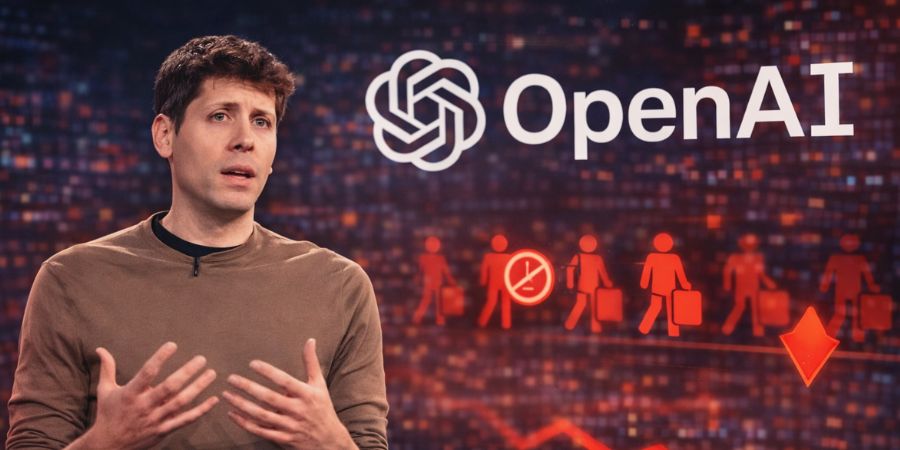


Mark Zuckerberg, CEO of Meta Platforms, is trending across global tech and financial markets following reports of sweeping layoffs that could affect as many as 16,000 employees. The move is reportedly part of a broader strategy to redirect resources toward massive artificial intelligence infrastructure investments.
According to industry reports circulating on March 16, 2026, the company is restructuring its workforce to offset the enormous cost of expanding data centers and AI capabilities. The decision comes after Meta reportedly committed around $50 billion toward building large-scale computing infrastructure to power next-generation AI systems.
The development has quickly become a major talking point among tech investors, analysts, and employees, pushing Mark Zuckerberg into the center of today’s global technology news cycle.
Massive AI Investments Driving the Decision
The primary reason behind the reported layoffs is Meta’s aggressive push into artificial intelligence. The company has been rapidly expanding its data center footprint to support AI models, machine learning tools, and generative AI services across its platforms.
Building and maintaining AI infrastructure requires enormous capital. High-performance GPUs, advanced chips, and massive data centers have dramatically increased operational costs across the tech sector.
By reducing workforce expenses, Meta appears to be reallocating financial resources to sustain its long-term AI strategy.
Industry analysts note that the shift reflects a broader trend among large technology companies prioritizing automation, AI systems, and infrastructure scale over traditional staffing growth.
Rise of AI-Assisted Workforces
Another factor driving the trend is Zuckerberg’s increasing focus on AI-assisted workers. The concept involves using artificial intelligence tools to automate tasks previously handled by large teams.
Internal strategies discussed in recent investor circles suggest that Meta is experimenting with AI systems capable of supporting engineering, content moderation, and operational workflows.
This approach allows smaller teams to manage workloads that previously required much larger departments.
For investors, the strategy signals a structural transformation in how tech companies operate. For employees, however, it raises concerns about job security as automation becomes more deeply embedded in corporate workflows.
Why Mark Zuckerberg Is Trending Today
The news has gone viral largely because of the scale and timing of the layoffs.
Reports suggesting that up to 16,000 employees could be affected have sparked intense discussion across social media, financial media outlets, and technology forums.
At the same time, the revelation that Meta has spent tens of billions of dollars on AI data centers has caught the attention of venture capitalists and market analysts tracking the global AI race.
Major investors are closely watching how Meta balances cost reductions with its long-term ambition to lead in artificial intelligence.
The discussion has also reignited debate about whether large tech companies are moving too quickly toward automation-driven workforces.
The Broader Tech Industry Context
Meta’s strategy is not happening in isolation. Across Silicon Valley and the global tech sector, companies are investing heavily in AI infrastructure.
Large language models, generative AI tools, and AI-powered assistants are becoming central to product development, customer service, and enterprise operations.
These shifts require vast computational resources, leading companies to pour billions into specialized chips, high-density servers, and advanced data centers.
As a result, workforce restructuring has increasingly become a financial lever companies use to fund the next wave of technological innovation.
What Comes Next for Meta
While Meta has not publicly confirmed the full scope of the reported layoffs, the discussion around Mark Zuckerberg’s strategy highlights a clear shift in corporate priorities toward artificial intelligence leadership.
If the restructuring moves forward at the scale currently being discussed, it could mark one of the largest workforce adjustments tied directly to AI investment.
Investors, employees, and industry leaders will now be watching closely to see whether Meta’s aggressive AI spending delivers the technological breakthroughs and market advantages the company is betting on in the coming years.
Read Also: Shantanu Narayen Steps Down as Adobe CEO After 18 Years, AI Shift