

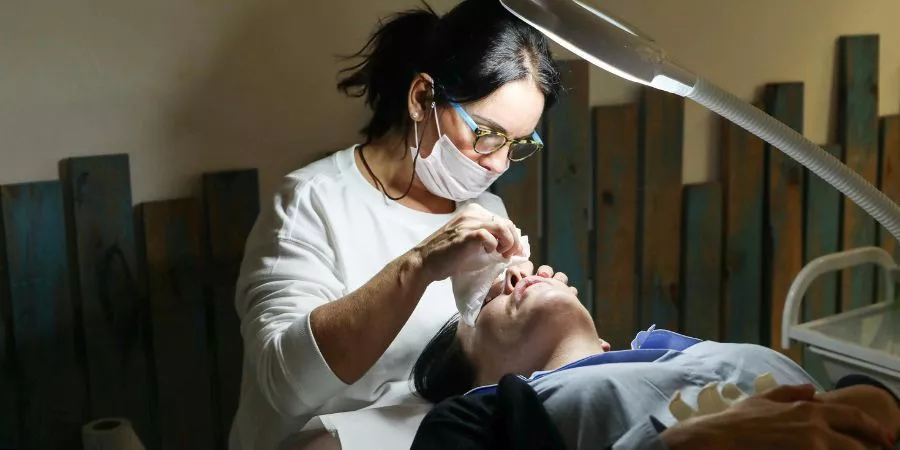
Why Regenerative Skin Therapy Is Redefining Skincare
In a world where skincare trends evolve almost overnight, one concept has emerged as a powerful, science-driven solution—regenerative skin therapy. Unlike traditional cosmetic treatments that simply mask skin concerns, regenerative approaches work at a deeper biological level. They stimulate your skin’s natural ability to heal, renew, and rebuild itself from within.
Today, people are no longer satisfied with quick fixes. Instead, they want long-term solutions that enhance skin health while maintaining a natural appearance. That’s exactly where regenerative skin therapy steps in. It bridges the gap between dermatology, aesthetics, and advanced medical science, offering results that are not only visible but sustainable.
Moreover, as awareness around holistic wellness grows, individuals are increasingly seeking treatments that align with the body’s natural processes. Regenerative skin therapy doesn’t fight your biology—it enhances it. And because of that, it is quickly becoming the gold standard in modern skincare.
What Is Regenerative Skin Therapy?
Regenerative skin therapy refers to a group of advanced treatments designed to repair, restore, and rejuvenate skin by activating the body’s own healing mechanisms. Instead of relying solely on external products, these therapies stimulate collagen production, improve cellular turnover, and enhance tissue regeneration.
At its core, regenerative skin therapy focuses on biological renewal. It taps into the skin’s innate ability to heal itself. For example, treatments often involve growth factors, stem cells, or platelet-rich plasma (PRP), all of which encourage the skin to regenerate new, healthy cells.
Furthermore, this approach is highly personalized. Since every individual’s skin is unique, regenerative treatments are often tailored to specific needs—whether it’s aging, acne scars, pigmentation, or overall skin dullness. As a result, the outcomes tend to look more natural and long-lasting compared to conventional cosmetic procedures.
How Regenerative Skin Therapy Works
Understanding how regenerative skin therapy works helps explain why it delivers such impressive results. Essentially, these treatments activate the skin’s repair mechanisms at a cellular level.
First, they stimulate fibroblasts—the cells responsible for producing collagen and elastin. As we age, fibroblast activity slows down, leading to wrinkles and sagging skin. Regenerative therapies reactivate these cells, encouraging them to produce fresh collagen.
Second, they improve blood circulation and nutrient delivery. This process ensures that skin cells receive the oxygen and nutrients needed for optimal function. Consequently, the skin appears healthier, brighter, and more youthful.
Additionally, regenerative therapies often involve controlled micro-injuries or targeted stimulation. While that may sound intense, it’s actually beneficial. These micro-injuries signal the body to initiate healing processes, leading to the formation of new tissue. Over time, this results in smoother, firmer, and more resilient skin.
Types of Regenerative Skin Therapy Treatments
- Platelet-Rich Plasma (PRP) Therapy in Regenerative Skin Therapy
PRP therapy is one of the most popular regenerative skin therapy techniques today. It involves extracting a small amount of your blood, processing it to concentrate the platelets, and then re-injecting it into targeted areas of your skin.
These platelets are rich in growth factors that accelerate healing and tissue regeneration. As a result, PRP is highly effective for improving skin texture, reducing fine lines, and enhancing overall radiance.
Moreover, PRP is a natural treatment since it uses your body’s own biological material. This significantly reduces the risk of allergic reactions or complications, making it a safe option for many individuals.
- Microneedling and Regenerative Skin Therapy
Microneedling is another widely used regenerative technique. It involves using tiny needles to create controlled micro-injuries on the skin’s surface. These micro-injuries trigger the body’s natural healing response.
As the skin heals, it produces new collagen and elastin, resulting in improved texture and firmness. When combined with PRP or growth factor serums, microneedling becomes even more powerful.
Additionally, microneedling is highly versatile. It can address various concerns, including acne scars, enlarged pores, and uneven skin tone. Over time, consistent treatments can dramatically improve skin quality.
- Stem Cell Therapy in Regenerative Skin Therapy
Stem cell therapy represents the cutting edge of regenerative skin therapy. These cells have the unique ability to transform into different types of skin cells, promoting deep tissue repair and regeneration.
In skincare, stem cells are often derived from plants or ethically sourced human tissues. They help accelerate cell turnover and improve skin elasticity.
Furthermore, stem cell therapy is particularly effective for aging skin. It not only reduces wrinkles but also restores skin density and vitality. As research continues to advance, this therapy is expected to play an even bigger role in the future of skincare.
- Laser-Based Regenerative Skin Therapy
Laser treatments also fall under the umbrella of regenerative skin therapy. These treatments use focused light energy to stimulate collagen production and resurface the skin.
Unlike older laser technologies, modern regenerative lasers are designed to minimize downtime while maximizing results. They work by creating microscopic zones of thermal damage, which trigger the body’s healing response.
Consequently, laser therapy can effectively treat pigmentation, fine lines, and sun damage. Over time, the skin becomes smoother, clearer, and more youthful.
Benefits of Regenerative Skin Therapy
Natural-Looking Results with Regenerative Skin Therapy
One of the biggest advantages of regenerative skin therapy is its ability to deliver natural-looking results. Since the treatments enhance your body’s own processes, the outcomes appear subtle yet transformative.
Rather than drastically altering your appearance, regenerative therapies improve your skin’s health from within. This ensures that your skin looks refreshed and youthful without appearing “overdone.”
Long-Term Skin Health Improvement
Unlike temporary solutions, regenerative skin therapy focuses on long-term improvement. By boosting collagen production and cellular renewal, these treatments provide benefits that continue to develop over time.
Moreover, regular sessions can help maintain skin health and delay the signs of aging. This makes regenerative therapy not just a treatment but a long-term skincare investment.
Minimal Downtime and Safer Approach
Another major benefit is minimal downtime. Most regenerative treatments are non-invasive or minimally invasive, allowing individuals to return to their daily activities quickly.
Additionally, since many therapies use natural components like PRP, the risk of adverse reactions is significantly reduced. This makes regenerative skin therapy a safer alternative to more aggressive procedures.
Who Should Consider Regenerative Skin Therapy?
Regenerative skin therapy is suitable for a wide range of individuals. Whether you’re in your late 20s looking for preventative care or in your 50s seeking rejuvenation, these treatments can be tailored to your needs.
For instance, individuals with acne scars can benefit from microneedling and PRP. Meanwhile, those experiencing signs of aging may find stem cell therapy or laser treatments more effective.
However, it’s essential to consult with a qualified professional before starting any treatment. A proper assessment ensures that the chosen therapy aligns with your skin type and goals.
Regenerative Skin Therapy vs Traditional Skincare
Traditional skincare often relies on topical products that provide temporary improvements. While these products can be effective, they usually don’t address the root causes of skin issues.
In contrast, regenerative skin therapy works at a deeper level. It stimulates biological processes that lead to lasting improvements. Instead of masking problems, it resolves them from within.
Furthermore, regenerative treatments complement traditional skincare routines. When used together, they can enhance overall results and maintain long-term skin health.
The Science Behind Regenerative Skin Therapy
Scientific research plays a crucial role in the effectiveness of regenerative skin therapy. Studies have shown that growth factors and stem cells significantly improve skin regeneration.
For example, growth factors stimulate cell proliferation and collagen synthesis. This leads to faster healing and improved skin structure. Similarly, stem cells promote tissue repair and reduce inflammation.
Additionally, advancements in biotechnology have made these treatments more accessible and effective. As a result, regenerative skin therapy continues to evolve, offering even better outcomes.
Risks and Considerations
Although regenerative skin therapy is generally safe, it’s important to be aware of potential risks. Some individuals may experience mild redness, swelling, or discomfort after treatment.
However, these side effects are usually temporary and subside within a few days. Choosing a qualified practitioner significantly reduces the risk of complications.
Moreover, not all treatments are suitable for everyone. Factors such as skin type, medical history, and lifestyle should be considered before starting any therapy.
Cost of Regenerative Skin Therapy
The cost of regenerative skin therapy varies depending on the type of treatment and the number of sessions required. PRP and microneedling are generally more affordable, while stem cell therapy and advanced lasers can be more expensive.
Although the initial investment may seem high, the long-term benefits often outweigh the cost. Many individuals find that they spend less on temporary skincare products over time.
Additionally, some clinics offer package deals or financing options, making these treatments more accessible.
Future Trends in Regenerative Skin Therapy
The future of regenerative skin therapy looks incredibly promising. With advancements in artificial intelligence and biotechnology, treatments are becoming more precise and personalized.
For instance, AI-driven skin analysis can help determine the most effective therapy for each individual. Meanwhile, new developments in stem cell research are expected to revolutionize skincare even further.
As technology continues to evolve, regenerative skin therapy will likely become more accessible, effective, and widely adopted.
Expert Tips for Maximizing Results
To get the most out of regenerative skin therapy, it’s essential to follow a proper skincare routine. This includes using high-quality products, staying hydrated, and protecting your skin from sun damage.
Additionally, consistency is key. Regular treatments and follow-up sessions ensure long-lasting results. Skipping sessions may reduce the effectiveness of the therapy.
Finally, maintaining a healthy lifestyle plays a significant role. A balanced diet, adequate sleep, and stress management can enhance the benefits of regenerative treatments.
Conclusion: Is Regenerative Skin Therapy Worth It?
Regenerative skin therapy represents a significant shift in the world of skincare. Instead of focusing on temporary fixes, it offers long-term solutions that improve skin health at a fundamental level.
With its ability to stimulate natural healing processes, deliver subtle yet powerful results, and adapt to individual needs, it’s no surprise that this approach is gaining popularity worldwide.
Ultimately, if you’re looking for a science-backed, natural, and effective way to rejuvenate your skin, regenerative skin therapy is undoubtedly worth considering.
Also Read: Future Facial Rejuvenation Trends: The Revolutionary Path to Timeless Beauty in 2026 and Beyond