
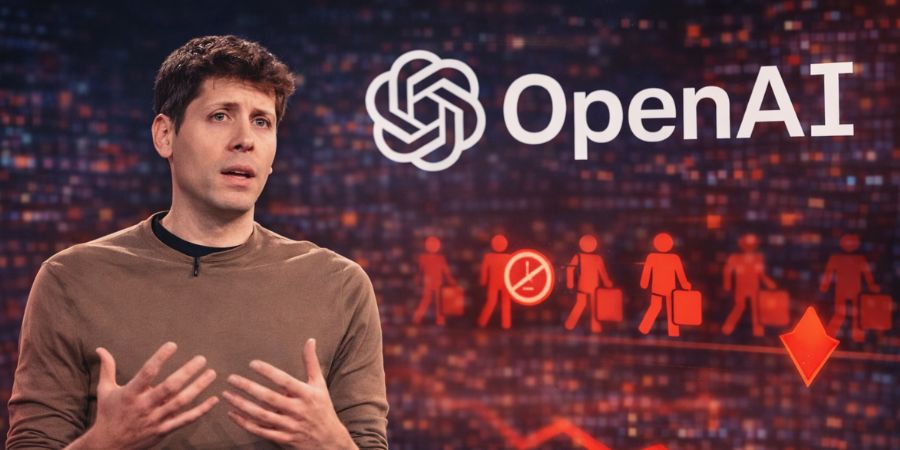
Sam Altman is facing significant scrutiny today after reports emerged that around 1.5 million users cancelled their ChatGPT subscriptions over the weekend. The reported user exodus has triggered widespread debate online and pushed the OpenAI chief to the top of global search trends.
The cancellations appear to be linked to growing backlash surrounding a controversial agreement reportedly involving OpenAI and the United States Department of Defense. Critics claim the partnership could allow artificial intelligence tools to support military surveillance operations.
Why Sam Altman Is Trending Today
Search interest in Sam Altman surged after users began discussing the possible implications of the deal on social media platforms and technology forums. Many subscribers voiced concerns that AI tools like ChatGPT could be used in surveillance or defense-related intelligence systems.
While details of the reported agreement remain limited, the speculation has led to strong reactions from privacy advocates, tech analysts, and everyday users. The topic quickly became one of the most discussed issues in the global technology community this week.
The scale of the reported cancellations—approximately 1.5 million subscriptions in just a few days—has amplified the controversy and intensified scrutiny on OpenAI’s leadership and strategic direction.
Concerns Around the Pentagon Deal
The debate largely centers on whether OpenAI’s technology could be integrated into defense or intelligence projects connected to the Pentagon.
Critics argue that AI systems capable of analyzing large amounts of data could potentially be used for surveillance, raising ethical questions about privacy, governance, and responsible AI deployment.
Supporters of defense collaboration, however, contend that partnerships between technology companies and government institutions are common and can contribute to national security, disaster response, and cyber defense initiatives.
So far, Sam Altman has not publicly confirmed the full scope of the reported Pentagon-related agreement, leaving many questions unanswered.
OpenAI’s Policy Debate on Military Use
The controversy has also reignited discussion about OpenAI’s policies regarding military and defense applications. Historically, the company emphasized limits on certain uses of artificial intelligence technologies, particularly those involving weapons or direct harm.
However, evolving global security challenges and the rapid development of AI have led many technology companies to reconsider how their innovations may intersect with government projects.
Industry observers note that OpenAI now faces a delicate balance: maintaining public trust among millions of users while navigating partnerships that could influence the future role of AI in national security.
What Happens Next
As pressure builds, analysts expect Sam Altman and OpenAI to address the concerns publicly in the coming days. A clear response regarding the Pentagon deal and the company’s stance on military surveillance could determine whether the recent wave of ChatGPT subscription cancellations continues or stabilizes.
For now, the situation highlights a growing global debate over how powerful AI technologies should be governed—and who should ultimately control their use.
Read Also: Caitlin Kalinowski Quits OpenAI Over Pentagon AI Ethics Clash