

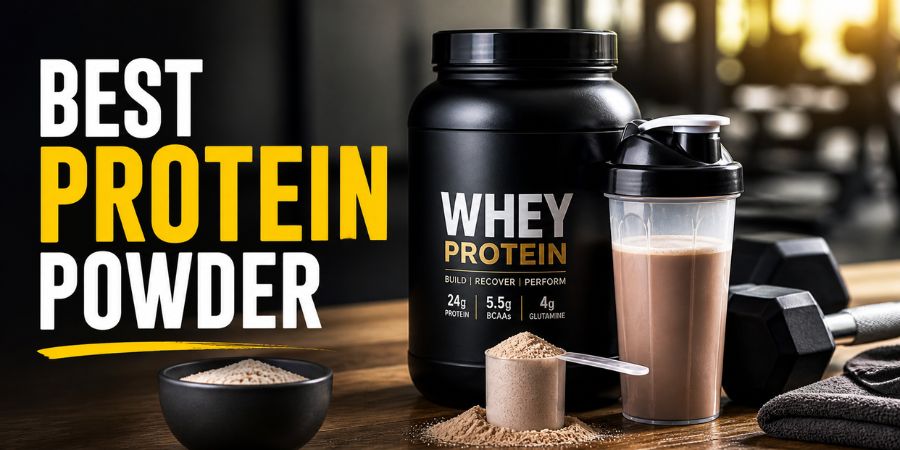
The supplement aisle looks more confusing than ever. One tub promises lean muscle in weeks, another claims rapid fat loss, while flashy ads keep telling women they need “special formulas” to transform their bodies. Yet most people still end up buying a protein powder that tastes terrible, causes bloating, or simply doesn’t match their real fitness goals. The truth is that the best protein powder is not always the most expensive one or the brand dominating social media. What matters is how the formula fits your body, your routine, and the results you actually want in 2026. Whether your focus is strength, recovery, appetite control, or healthy nutrition, understanding how protein powder really works can save you time, money, and frustration.
Why Protein Powder Became So Popular in 2026
Fitness trends have changed dramatically over the past few years. More people now train from home, follow high-protein meal plans, and pay attention to recovery instead of only focusing on calories. Because of that shift, protein powder has moved far beyond bodybuilding culture. Office workers use it for meal replacement smoothies, athletes rely on it for muscle recovery, and busy parents add it to breakfast to stay full longer.
The biggest reason protein supplements continue growing in popularity is convenience. Most people struggle to hit their daily protein intake consistently through food alone. Preparing chicken, eggs, fish, or lentils for every meal takes effort, planning, and time. A quality protein shake offers a fast solution without complicated preparation.
Another major factor is research. Studies continue to show that higher protein intake supports muscle repair, improves satiety, and helps preserve lean muscle during fat loss phases. That is why searches for the best protein powder for weight loss and the best protein powder for muscle gain continue rising globally.
What Makes the Best Protein Powder Actually Worth Buying
Not all protein powders are created equally. Some contain high-quality ingredients with excellent amino acid profiles, while others rely heavily on fillers, artificial sweeteners, and low-grade protein sources.
When evaluating a protein powder, these factors matter most:
Protein Quality
The best protein powder should provide a complete amino acid profile. Essential amino acids, especially leucine, play a major role in muscle protein synthesis. Whey protein is often considered the gold standard because it absorbs quickly and contains high levels of leucine.
Ingredient Transparency
Good brands clearly list their ingredients, protein source, sweeteners, and nutritional breakdown. Hidden proprietary blends often indicate lower-quality formulations.
Digestibility
A protein shake should support your body, not upset your stomach. Many people experience bloating because of lactose intolerance, excessive gums, or poor-quality ingredients.
Sugar and Calorie Content
If your goal is fat loss, avoid powders loaded with unnecessary sugar. Some products marketed as healthy contain dessert-level calories.
Third-Party Testing
Trusted protein powder brands often undergo independent testing for purity and safety. This is especially important for athletes and regular supplement users.
Types of Protein Powder Explained
Understanding different protein sources is the key to choosing the best protein powder for your goals.
Whey Protein
Whey remains one of the most effective and researched options available. It is derived from milk and digests quickly, making it ideal after workouts.
Benefits of Whey Protein
- Fast absorption
- High leucine content
- Excellent for muscle recovery
- Supports lean muscle growth
- Great taste in most formulas
Best For
- Muscle gain
- Strength training
- Post-workout recovery
- Athletes
Potential Downsides
People sensitive to dairy may experience bloating or digestive discomfort.
Whey Isolate
Whey isolate goes through extra filtration, reducing lactose and fat content. It usually contains higher protein percentages per serving.
Why Many People Prefer Whey Isolate
- Lower calories
- Less lactose
- Higher protein concentration
- Faster digestion
This is often considered the best protein powder for weight loss because it delivers high protein with fewer calories.
Casein Protein
Unlike whey, casein digests slowly. It releases amino acids gradually over several hours.
Best Uses for Casein
- Nighttime recovery
- Long periods without food
- Appetite control
- Muscle preservation
Many people use casein before bed to support overnight recovery.
Plant-Based Protein Powder
Plant protein formulas have improved significantly in recent years. Modern blends combine pea, rice, pumpkin seed, and hemp proteins for a more balanced amino acid profile.
Benefits of Plant Protein
- Dairy-free
- Vegan-friendly
- Easier digestion for some people
- Sustainable sourcing
Common Challenges
Some plant proteins still struggle with texture and taste, although premium brands have improved considerably.
Collagen Protein
Collagen powder is popular for skin, hair, and joint support. However, it is not ideal as a primary muscle-building protein because it lacks certain essential amino acids.
Best For
- Skin support
- Joint health
- Hair and nails
Not Ideal For
- Building muscle alone
- Complete protein nutrition
Egg Protein
Egg protein offers a complete amino acid profile without dairy.
Advantages
- Lactose-free
- High-quality protein
- Good digestibility
Drawbacks
- More expensive
- Less flavor variety
How Much Protein Do You Actually Need?
One of the biggest mistakes people make is assuming more protein automatically means better results. Your ideal intake depends on activity level, body composition goals, and training intensity.
General Protein Recommendations
- Sedentary adults: 0.8g per kg of body weight
- Active individuals: 1.2–1.6g per kg
- Muscle gain: 1.6–2.2g per kg
- Weight loss phases: 1.8–2.4g per kg
Protein powder should supplement your nutrition, not replace whole foods entirely.
Best Protein Powder for Muscle Gain
Building muscle requires more than simply drinking protein shakes. However, the right protein powder can make a major difference in recovery and consistency.
What to Look For
The best protein powder for muscle gain should include:
- At least 20–25g protein per serving
- High leucine content
- Minimal filler ingredients
- Strong amino acid profile
- Good digestibility
Why Whey Protein Dominates Muscle Gain
Whey protein stimulates muscle protein synthesis rapidly, making it especially effective after training sessions. Because it absorbs quickly, muscles receive amino acids during the critical recovery window.
Helpful Muscle Gain Tips
- Pair protein with resistance training
- Eat enough total calories
- Prioritize sleep and recovery
- Stay consistent for several months
- Spread protein intake across meals
Many people expect instant results from supplements alone, but muscle growth happens through consistent training, nutrition, and recovery.
Best Protein Powder for Weight Loss
One of the smartest strategies for fat loss is increasing protein intake. Protein helps maintain muscle while reducing hunger and cravings.
Why Protein Supports Fat Loss
Protein has a high thermic effect, meaning the body burns more calories digesting it compared to fats and carbohydrates. It also helps people feel fuller for longer.
What Makes the Best Protein Powder for Weight Loss
Look for:
- Low sugar content
- High protein-to-calorie ratio
- Minimal additives
- Appetite-supporting ingredients
- Clean nutritional profile
Common Weight Loss Mistakes
Some people unknowingly sabotage progress by using protein shakes like desserts. Oversized servings, sugary add-ins, and high-calorie smoothies can quickly turn healthy intentions into calorie overload.
Smart Ways to Use Protein for Fat Loss
- Add protein powder to breakfast
- Use it after workouts
- Replace unhealthy snacks
- Blend with fruits and fiber
- Pair with balanced meals
The best protein powder for weight loss supports healthy habits instead of acting like a magic solution.
Best Protein Powder for Women
The idea that women need completely different protein than men is mostly marketing. Women benefit from protein for the same physiological reasons: recovery, lean muscle maintenance, appetite control, and overall health.
However, some formulas marketed as the best protein powder for women include added nutrients like iron, collagen, or digestive enzymes.
Why Women Should Prioritize Protein
Many women unintentionally under-consume protein, especially during busy work schedules or calorie-restricted diets.
Higher protein intake may support:
- Lean muscle tone
- Healthy metabolism
- Hair and skin health
- Better workout recovery
- Reduced cravings
- Bone health with aging
What Women Should Look For
The best protein powder for women should focus on quality rather than pink packaging.
Key things to prioritize:
- Clean ingredient list
- Good taste and texture
- Minimal sugar
- High protein content
- Easy digestion
Protein Myths That Need to Disappear
“Protein Makes Women Bulky”
This myth continues despite years of evidence proving otherwise. Building large amounts of muscle requires intense training, genetics, and significant caloric surplus.
“Meal Replacement Shakes Are Better Than Protein”
Not always. Many meal replacement products contain excess sugar and lower protein quality.
“Women Only Need Protein After Workouts”
Protein matters throughout the day, not just after exercise.
How to Read Protein Powder Labels Properly
Marketing language often hides important details. Learning how to read supplement labels helps you avoid wasting money.
Check the Protein Per Serving
Some brands advertise huge scoop sizes but provide surprisingly low actual protein.
Watch for Added Sugar
Flavored protein powders can contain unnecessary sweeteners and sugar alcohols.
Understand Ingredient Order
Ingredients appear in descending order by quantity. If fillers dominate the top of the list, the formula may not be ideal.
Evaluate Artificial Ingredients
Artificial flavors are not automatically harmful, but excessive additives may affect digestion for sensitive individuals.
Common Protein Powder Ingredients Explained
Lecithin
Usually added for smoother mixing. Commonly sourced from soy or sunflower.
Stevia
Natural sweetener with low calories.
Sucralose
Artificial sweetener used in many flavored supplements.
Digestive Enzymes
Sometimes included to improve digestion and reduce bloating.
Gum Blends
Used for texture and thickness. Excessive amounts may upset digestion in some users.
Best Time to Drink Protein Powder
Timing matters less than overall daily intake, but certain moments can still be beneficial.
Post-Workout
One of the most popular times for protein supplementation because muscles are primed for recovery.
Breakfast
Adding protein in the morning may improve satiety and energy levels.
Before Bed
Casein protein before sleep can support overnight muscle recovery.
Between Meals
Protein shakes can help reduce unhealthy snacking.
Protein Powder vs Whole Foods
A common misunderstanding is that protein powder should replace healthy meals entirely.
Whole foods provide:
- Vitamins
- Minerals
- Fiber
- Healthy fats
- Better satiety
Protein powder works best as a supplement, not a nutritional shortcut.
Best Whole Food Protein Sources
- Chicken breast
- Greek yogurt
- Eggs
- Salmon
- Lentils
- Tofu
- Cottage cheese
- Beans
The ideal approach combines whole foods with convenient supplementation.
Signs You Chose the Wrong Protein Powder
Not every formula works for every body.
Digestive Problems
Persistent bloating, cramps, or discomfort may indicate ingredient intolerance.
Excessive Sweetness
Some products taste more like candy than nutrition.
Low Satiety
Cheap protein blends sometimes fail to keep you full.
Chalky Texture
Texture matters more than many people realize because consistency affects long-term use.
Hidden Fillers
Protein spiking and amino acid manipulation still exist in some low-quality products.
Protein Powder Trends Changing the Industry in 2026
The supplement industry continues evolving rapidly.
Cleaner Ingredient Lists
Consumers now prioritize transparency and minimal ingredients.
Personalized Nutrition
Brands increasingly tailor formulas for different goals and sensitivities.
Sustainable Protein Sources
Plant-based and environmentally friendly options continue expanding.
Functional Ingredients
Many products now combine protein with probiotics, adaptogens, collagen, or greens.
Ready-to-Drink Convenience
Busy lifestyles continue driving demand for portable protein options.
Mistakes People Make When Buying Protein Powder
Choosing Based Only on Influencers
Social media marketing does not always reflect product quality.
Ignoring Digestibility
Even high-quality protein becomes useless if your body struggles to tolerate it.
Focusing Only on Flavor
Taste matters, but nutrition and ingredients matter more.
Assuming Expensive Means Better
Some premium-priced products rely more on branding than actual formulation quality.
Using Protein Without Exercise
Protein powder supports results, but activity remains essential for muscle growth and body composition improvements.
How to Choose the Best Protein Powder for Your Goal
For Muscle Gain
Choose whey isolate or whey concentrate with strong amino acid content.
Prioritize
- 20–30g protein
- Fast absorption
- Minimal fillers
- Strength-training support
For Weight Loss
Select lower-calorie options with high satiety.
Prioritize
- Low sugar
- High protein percentage
- Appetite support
- Lean nutritional profile
For Women
Focus on clean ingredients and consistency.
Prioritize
- Easy digestion
- Nutritional quality
- Sustainable use
- Pleasant taste
For Sensitive Digestion
Try:
- Plant protein
- Whey isolate
- Egg protein
- Lactose-free formulas
Best Ways to Use Protein Powder Beyond Shakes
Many people get bored drinking the same shake daily. Fortunately, protein powder can work in many recipes.
Protein Oats
Add vanilla protein to oatmeal for a high-protein breakfast.
Smoothie Bowls
Blend protein with frozen fruits and yogurt.
Protein Pancakes
Mix protein powder into pancake batter.
Yogurt Mixes
Add protein to Greek yogurt for extra satiety.
Healthy Desserts
Protein brownies and muffins continue growing in popularity.
Does Protein Powder Have Side Effects?
Most healthy adults tolerate protein powder well when used responsibly.
However, excessive intake or poor-quality formulas may cause:
- Digestive discomfort
- Bloating
- Gas
- Artificial sweetener sensitivity
- Acne flare-ups in some individuals
Hydration also matters. Higher protein intake increases the body’s water requirements.
How Fitness Goals Change Your Protein Needs
Strength Athletes
Need higher protein intake to support recovery and muscle repair.
Endurance Athletes
Require balanced recovery support alongside carbohydrates.
Older Adults
Higher protein intake may help maintain muscle mass with aging.
Busy Professionals
Convenient protein options help prevent skipped meals and unhealthy snacking.
The Truth About “Anabolic Windows”
Fitness culture once promoted the idea that protein had to be consumed immediately after workouts.
Modern research suggests the total daily protein intake matters more than rushing to drink a shake within minutes.
Still, consuming protein within a reasonable post-workout window remains practical and beneficial.
Can You Build Muscle Without Protein Powder?
Absolutely. Whole foods alone can support muscle growth.
However, protein powder offers:
- Convenience
- Faster preparation
- Portable nutrition
- Consistency
- Easy calorie control
For many people, supplementation simply makes healthy eating more manageable.
How Protein Powder Supports Recovery
Recovery is where progress truly happens. During exercise, muscle fibers experience stress and microscopic damage. Protein provides amino acids that support repair and adaptation.
Without adequate recovery nutrition, workouts become harder to sustain effectively.
Recovery Benefits of Protein
- Supports muscle repair
- Helps reduce soreness
- Maintains lean tissue
- Supports workout consistency
- Assists immune function during intense training
Budget vs Premium Protein Powder
Higher prices do not always guarantee better results.
When Premium Products Make Sense
- Better ingredient sourcing
- Third-party testing
- Improved taste
- Enhanced digestion
- Fewer fillers
When Budget Products Work Fine
If the protein source and nutritional profile remain solid, affordable options can still deliver excellent results.
How to Avoid Fake Marketing Claims
Supplement marketing can become extremely exaggerated.
Red Flags to Watch
- Unrealistic body transformation promises
- “Lose fat overnight” claims
- Hidden proprietary blends
- Excessively long ingredient lists
- Lack of transparency
The best protein powder supports healthy habits rather than promising miracles.
Why Consistency Matters More Than Brand Hype
People often waste months switching products constantly while expecting dramatic changes.
The reality is that consistency in nutrition, sleep, and training matters far more than chasing the newest supplement trend.
A reliable protein powder you actually enjoy using regularly will outperform a premium product that sits unopened in your kitchen.
Practical Daily Protein Strategy
A smart daily structure makes protein goals easier.
Example Protein Distribution
Breakfast
Eggs with Greek yogurt or a protein smoothie.
Lunch
Lean chicken, rice, and vegetables.
Snack
Protein shake with fruit.
Dinner
Fish, potatoes, and salad.
Evening
Casein protein or cottage cheese.
Spacing protein intake throughout the day may improve muscle protein synthesis and satiety.
The Psychological Side of Protein Supplementation
One underrated benefit of using protein powder is behavioral consistency.
When people commit to healthier routines like preparing protein shakes, they often become more mindful of other habits too. Better hydration, more workouts, improved meal choices, and regular sleep patterns frequently follow.
That psychological momentum matters more than many people realize.
Frequently Asked Questions
Why is protein powder so popular for fitness goals?
Protein powder offers a convenient way to increase daily protein intake without extensive meal preparation. It supports muscle recovery, satiety, and nutritional consistency.
How do I choose the best protein powder for weight loss?
Look for a formula with high protein, low sugar, minimal calories, and clean ingredients. Whey isolate and plant-based options are often popular choices.
When should I drink protein powder for muscle gain?
Most people benefit from drinking protein after workouts or spreading protein intake evenly throughout the day to support recovery and muscle growth.
Is the best protein powder for women different from regular protein?
Not necessarily. Women benefit from high-quality protein just like men. The most important factors are ingredient quality, digestion, and nutritional value.
Where should beginners start with protein powder?
Beginners should start with a simple, trusted formula that matches their goals. Whey isolate works well for many people, while plant protein suits dairy-sensitive users.
Conclusion
Choosing the best protein powder in 2026 is less about marketing hype and more about understanding your personal goals. Some people need extra support for muscle gain, others want appetite control during weight loss, and many women simply want an easy way to improve daily nutrition without complicated meal prep. The right protein powder should fit naturally into your lifestyle, digest comfortably, and help you stay consistent over time.
Instead of chasing dramatic promises or influencer trends, focus on ingredient quality, realistic expectations, and long-term habits. A dependable protein routine combined with smart training, balanced meals, and recovery can create results that actually last. Once you find a protein powder that works for your body and goals, staying healthy becomes far easier and far more sustainable.
Also Read: Housing Market Secrets: Ultimate Guide to Smart Moves